
The current economic and job market in the US (and most parts of the world) are very tricky now. We have recovered from Covid but the scars of Covid on humans and businesses are still fresh.
The big technology industry (Google, Meta, X, Apple, Microsoft) is anticipating a slowdown and disruption in their businesses. They are laying off people in droves and yet preparing for the next wave of technology driven by AI, autonomous vehicles, blockchain and quantum computing.
Similarly, social media is reshaping at a faster pace than ever before. From Tiktok leading the short video trends, to Facebook and X rebranding themselves, there is a shift all over the place.
If you are a new immigrant who is moving or has just moved to US (or any other country), you are in a similar boat, possibly with more variability. Suddenly, your and your family’s life is going through massive changes and you are apprehensive and excited about the same time.
A big part of any shift whether in corporate or individual strategy is driven by economic reasons, or in other words related to finances. Companies have to be financially wealthy to keep investors happy and you have to be financially fit to lead your family through the changes and settling down.
While you are excited about the possibilities of your move, there are apprehensions in your mind about the unpredictable nature of the economy and the job market.
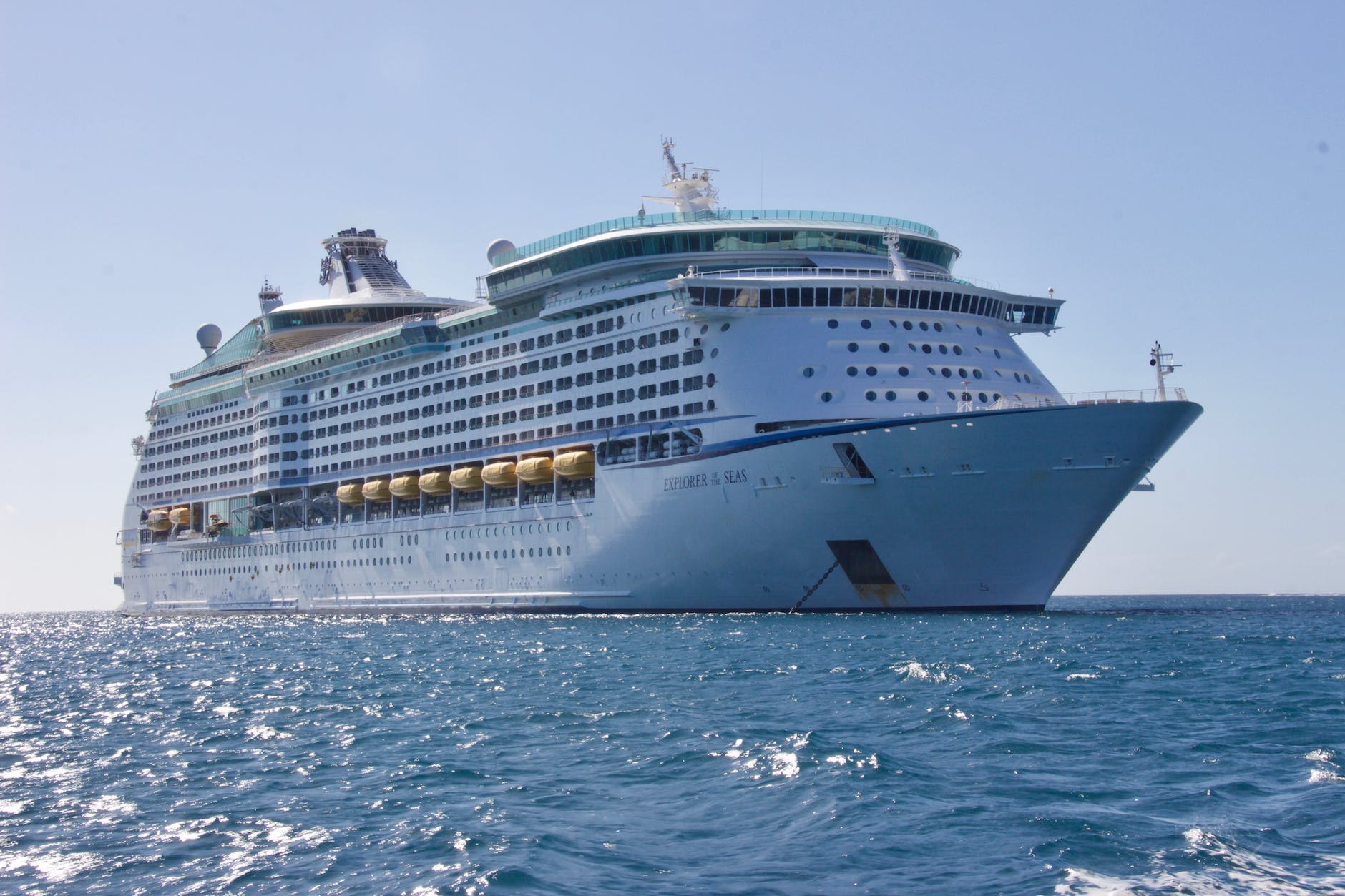
So what financial strategies should you take to navigate your ship in this stormy ocean?
Know where you stand
I don’t know how many times I repeat this in every blog, video or other content. This is so foundational that saying it ad nauseam is also not enough.
If you do not know your starting point, how your finances are spread out today and what your cash flow looks like, you will be the ship in the middle of the ocean being thrashed around by waves.
Knowing your current financial situation is not difficult – it requires working out 8 numbers, 4 monthly cash flow related and 4 related to your assets and liabilities.
- Monthly post-tax income
- Monthly expenses
- Monthly debt payments
- Monthly housing payments
- Total savings
- Total investments
- Total debt (outstanding)
- Total mortgage (outstanding)
You can do a lot of planning and analysis with just these 8 numbers. These could be:
- Calculate your net worth
- Calculate important financial ratios – debt to income, debt to assets etc.
- Calculate the slack in your budget
- Overall financial health
- S.W.O.T analysis (S – strengths, W – weakness, O – opportunities, T – threats)
Build resilience in your finances
A ship is built with a strong base and reinforcements to counter the dangers of the ocean. Even the iconic Titanic was sunk by an iceberg that they did not see.
Financial world and our lives are intricately linked by the risks, more than the rewards.
Losing your job, your principal in an investment, getting hit by high interests on debt are all icebergs in our financial ocean.
So we need to develop the surveillance systems and a strong base to our financial system. This can be done by anticipating the threats (from SWOT analysis) and taking actions to reduce them.
Build the following as a first step after the financial awareness step.
- An emergency fund for 3-6 months of expenses + debt + housing payments.
- A deductible fund for all the deductibles in your home, car and any other insurance.
- A maintenance fund for car and home.
- A freedom fund for 1-2 years of expenses.
The first 3 should be in cash (in a high yield FDIC insured) in a savings account.
The freedom fund can be invested wisely but should be liquid (no IRA or real estate).
Set your goals and fund them
Once you have setup the resilience, we have the base of the ship built and the telescope deployed.
Now is the time to build some essential floors and cabins thereof to make the ship more enjoyable. You cannot just live in fear of emergencies.
When you define your life goals, most of them will translate to financial goals.
- Planning for that vacation end of the year.
- Buying a home for your family
- Sending your son/daughter to college
- Investing in your own education
- Investing for your retirement
These are financial buckets that will need money and time to fulfill the dream.
- Amount of money needed
- Time by which you want to achieve it
- How important (or urgent) the goal is to you
- How to invest to achieve the goal in a predictable way
Once you see these buckets fill up, they will be like the amenities on your ship – the cabins, kitchen, pool and the sitting area. All these make your life enjoyable.
Achieve the financial flow
The plan for the ship is in place. You have blueprints for defenses, the surveillance systems and the amenities of the ship before it set sail.
This part is all about setting up the habits and flow that will fill the buckets. Some buckets may be short term, others will be mid or long term.
When we get our income, we tend to start spending immediately.
But now that you have a plan for your defenses and goals, you can send some money to these buckets. To build your ship, to build it in a way that you can set sail fearlessly.
This step is all about setting the monthly flow where you can setup automatic transfer from your bank accounts to various other accounts representing your goals.
Time to set sail and explore the world
Once your ship is built, you have the defenses and the amenities set up, you are set to enjoy life.
I call this the Financial Growth step. You want to do the things you want, with whom you want and when you want. Some people call it Financial Freedom, you can keep working by starting your own business, give to charity to your heart’s content and enjoy growth.
You are starting your voyage, knowing fully well that your ship is well built to enjoy the cruise of the ocean as well as defend against the inevitable storms.
Conclusion
As a new immigrant, you now know the four steps to build your financial ship as you settle down in the new country.
This is an universal way and will apply to non-immigrants too.

 Kingshuk Banerjee